
Introduction
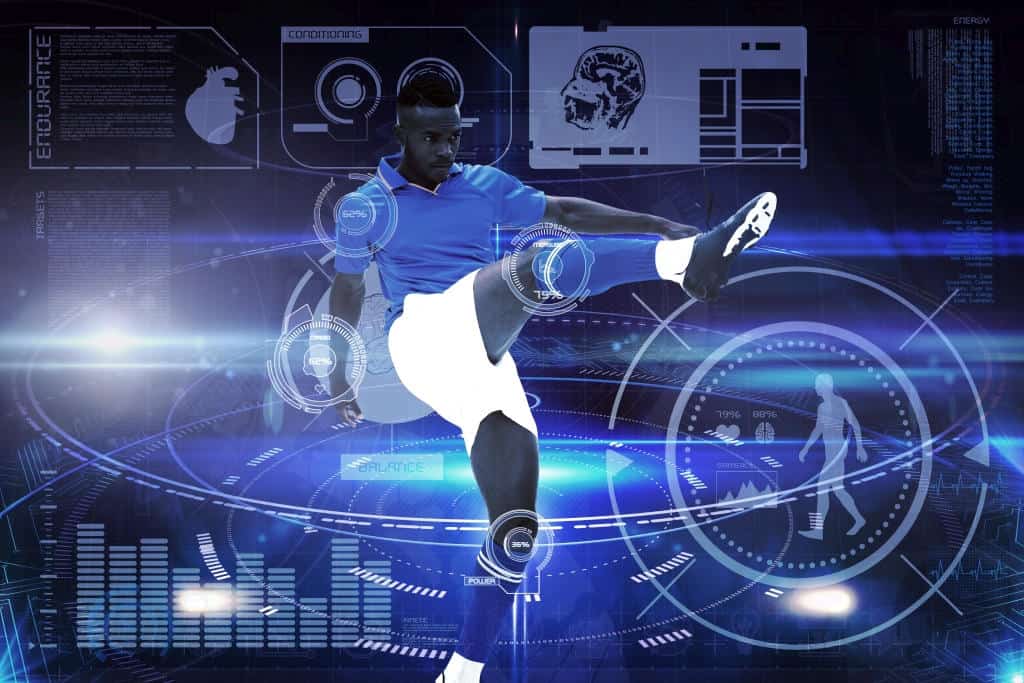
Technology has become an integral part of modern sports, reshaping how athletes train, compete, recover, and even communicate with fans. What once relied purely on physical talent and intuition now incorporates data-driven strategies and precision tools that enhance both performance and safety. This article explores the key technological innovations revolutionizing sports today.
How Technology Enhances Athlete Performance
Wearable Devices and Real-Time Analytics
Wearables have become essential tools for athletes and coaches. These devices monitor vital metrics and create a detailed picture of physical output.
Key Features of Modern Wearables
-
Heart-rate monitoring for optimal training zones
-
GPS tracking to analyze speed, distance, and movement patterns
-
Biomechanical sensors that evaluate posture, stride, and muscle load
-
Recovery insights like sleep quality and hydration indicators
These insights help coaches adjust training intensity, prevent overexertion, and design personalized regimens.
Video Analysis and Performance Breakdown
High-speed cameras and motion-tracking systems allow teams to break down movements frame by frame.
Benefits of Video Analysis
-
Identifies technique flaws invisible to the naked eye
-
Enhances decision-making and tactical awareness
-
Supports rehabilitation by comparing pre- and post-injury movement
Sports such as tennis, football, and athletics rely heavily on slow-motion accuracy to optimize form.
Technology in Competition and Officiating
Advanced Officiating Tools
Digital officiating technologies increase fairness and consistency across matches.
Common Tools Used
-
VAR (Video Assistant Referee) in football
-
Hawk-Eye technology in tennis and cricket
-
Goal-line systems providing instant scoring confirmation
These tools help minimize human error and improve the integrity of competition.
Smart Stadiums and Fan Interaction
Modern stadiums are no longer just venues—they are interactive hubs.
Smart Stadium Features
-
High-speed connectivity for live replays and stats
-
Augmented reality experiences for fans
-
Contactless entry and AI-driven security systems
These innovations create a seamless experience for both spectators and broadcasters.
Injury Prevention and Recovery Innovations
AI-Driven Injury Prediction
Artificial intelligence can identify patterns that may lead to injuries before they happen.
How AI Helps
-
Predicts fatigue levels
-
Highlights high-risk movements
-
Advises coaches when to modify training loads
This proactive approach significantly reduces athlete downtime.
Rehabilitation Technologies
Recovery technologies have evolved dramatically with the help of robotics and cryotherapy.
Popular Recovery Tools
-
Cryo chambers for inflammation reduction
-
Compression therapy for improved circulation
-
Robotic-assisted physiotherapy for precise rehabilitation
These innovations help athletes return stronger and faster.
The Future of Sports Technology
Technology will continue reshaping sports in ways previously unimaginable. Anticipated advancements include:
-
Neuro-performance training to enhance cognitive speed
-
AI coaching assistants for real-time decision-making
-
Metaverse-based virtual training environments
-
Hyper-personalized nutrition algorithms
The combination of human ability and technological support is setting a new standard for excellence.
FAQ
1. How do wearables benefit professional athletes?
They provide real-time insights into physical performance, helping adjust training intensity and prevent injuries.
2. What is the role of AI in sports training?
AI analyzes large data sets to predict injury risks, optimize training plans, and enhance competitive strategies.
3. How do technologies like VAR improve sports officiating?
They reduce human errors by offering clear visual evidence and precise decision-making tools.
4. Are video analysis systems only used by elite teams?
No. Schools, amateur clubs, and independent athletes increasingly use affordable analysis apps and tools.
5. How does technology assist in athlete rehabilitation?
Robotic tools, cryotherapy, and AI-guided physiotherapy help ensure efficient and targeted recovery.
6. What future technology could impact sports the most?
Neuro-performance tools and advanced AI systems may dramatically improve decision-making and reaction time.
7. Do smart stadiums enhance the fan experience?
Yes, through digital replays, AR features, fast connectivity, and seamless entry systems, fans enjoy more interactive engagement.