


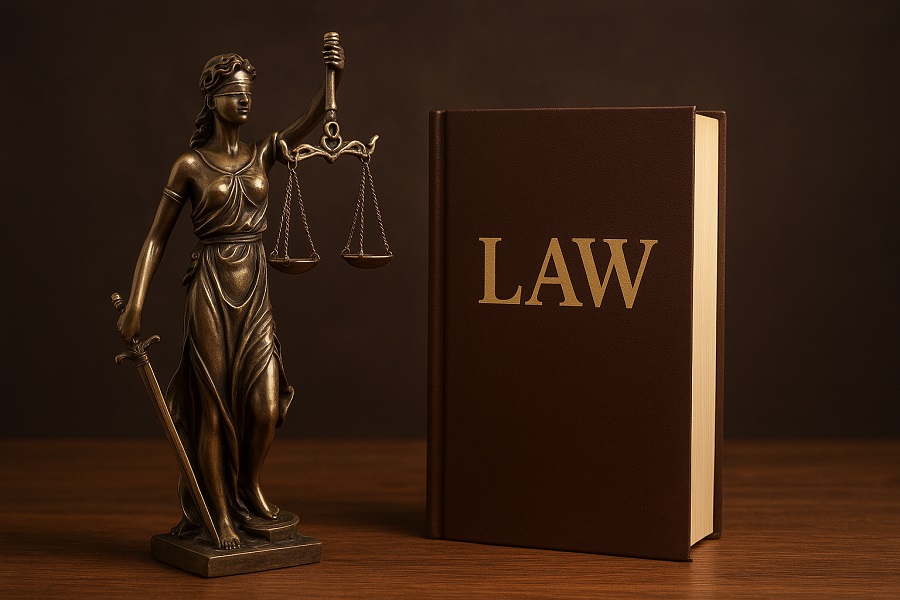
Introduction to Law
Law forms the backbone of any organized society. It defines acceptable conduct, protects individual rights, resolves disputes, and maintains order. Without a legal framework, communities would struggle to function peacefully or fairly. Understanding the foundations of law is essential not only for legal professionals but also for anyone seeking clarity on how rules and justice systems operate.
What Is Law?
Law refers to a system of rules created and enforced by governing institutions to regulate behavior. These rules apply to all individuals and entities within a jurisdiction and serve to:
-
Protect rights and freedoms
-
Establish duties and responsibilities
-
Maintain public order
-
Promote justice and fairness
Law is not static; it evolves as societies grow, cultures shift, and new challenges emerge.
Primary Sources of Law
1. Constitutional Law
This is the highest form of law in a country. Constitutions define governmental structure, distribute powers, and guarantee fundamental rights. All other laws must align with constitutional principles.
2. Statutory Law
Statutory laws are written laws enacted by legislative bodies, such as parliaments or congresses. They cover a broad range of issues, including criminal offenses, employment rights, and taxation.
3. Administrative Law
Administrative law governs the actions of governmental agencies. These bodies create regulations, grant licenses, and make decisions that directly affect individuals and businesses.
4. Case Law (Judicial Precedent)
Courts interpret and apply laws; their judgments form precedent, guiding future cases. Case law ensures consistency, fairness, and adaptability within the legal system.
5. Customary Law
Some societies recognize long-standing customs as legally binding. These practices may influence judicial decisions, particularly in community-based or indigenous legal systems.
Major Branches of Law
Civil Law
Civil law governs disputes between private parties. It often includes matters related to:
-
Contracts
-
Property rights
-
Family relations
-
Personal injury claims
The goal is typically compensation or resolution, not punishment.
Criminal Law
Criminal law addresses behavior considered harmful to society. Offenses may result in:
-
Fines
-
Imprisonment
-
Community service
The state prosecutes offenders to uphold safety and moral standards.
Commercial Law
This branch regulates business activities, including trade, partnerships, consumer protection, and corporate governance.
Labor and Employment Law
These laws ensure fair treatment for workers and regulate the employer-employee relationship, covering issues like wages, discrimination, and workplace safety.
International Law
International law governs relationships among nations. It includes treaties, diplomatic rules, and global human rights protections.
Why Law Matters
Promotes Social Order
Laws establish boundaries for acceptable behavior, reducing conflict and promoting stability.
Protects Rights and Liberties
Legal systems safeguard freedom of speech, privacy, and property rights.
Ensures Accountability
Governments, institutions, and individuals are held responsible for unlawful actions.
Facilitates Economic Growth
Clear laws governing business transactions build trust and confidence, encouraging investment and innovation.
Resolves Disputes
Courts and legal processes help settle disagreements fairly and transparently.
How Laws Are Enforced
Legal enforcement involves a network of institutions, including:
-
Police agencies to investigate violations
-
Courts to interpret and apply laws
-
Correctional systems to impose penalties and rehabilitate offenders
Effective enforcement depends on impartiality, transparency, and public trust.
The Role of Lawyers and Judges
Lawyers
Lawyers help individuals and organizations understand and navigate the law. They provide:
-
Legal advice
-
Representation in court
-
Assistance in drafting documents
-
Negotiation and mediation services
Judges
Judges interpret laws, evaluate evidence, and deliver judgments. Their decisions shape legal standards and influence how laws evolve.
The Evolution of Law
As societies transform, so do their legal systems. New technologies, social movements, and global challenges demand updated rules and frameworks. Law is a living system that adjusts to reflect contemporary values and realities.
FAQs
1. What is the difference between civil and criminal law?
Civil law handles disputes between individuals or organizations, while criminal law deals with offenses against society prosecuted by the state.
2. Who creates laws in a country?
Depending on the system, laws may be created by legislative bodies, regulators, judicial decisions, or constitutional provisions.
3. How does case law influence legal decisions?
Case law sets precedents that guide future court rulings, ensuring consistency and predictability within the legal system.
4. Can laws vary from one region to another?
Yes. Federal, state, and local governments may each have their own laws, provided they do not conflict with constitutional principles.
5. What rights are typically protected under constitutional law?
Constitutions often guarantee rights such as due process, freedom of speech, equality, and protection against unlawful detention.
6. How does international law affect domestic law?
Countries may adopt treaties or global standards into national legislation, influencing domestic rules on trade, human rights, and environmental protection.
7. Why is legal representation important?
Lawyers ensure that individuals understand their rights, follow proper procedures, and present effective arguments, improving their chances of fair outcomes.