


Introduction
The automotive world has changed dramatically over the past century. What began as a mechanical innovation driven by necessity has evolved into a global ecosystem that blends engineering, software, sustainability, and lifestyle. Today, the industry stands at a turning point shaped by electrification, automation, and a shift in consumer expectations.
The Historical Backbone of Auto Manufacturing
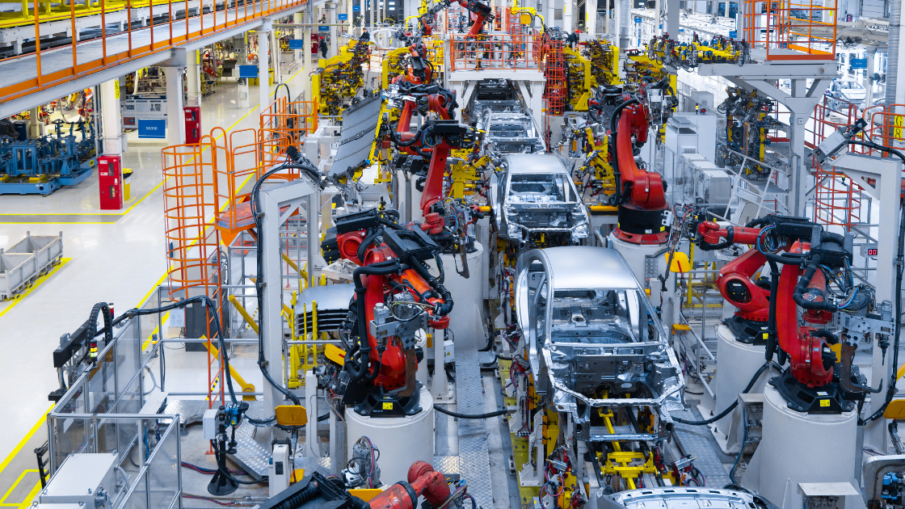
The birth of mass-produced cars revolutionized mobility. Early factories introduced assembly-line manufacturing, enabling vehicles to become accessible to ordinary households. Over time, innovations in steel, fuel systems, and mechanical performance laid the foundation for the modern automotive landscape.
Key Milestones
-
The introduction of interchangeable parts
-
Widespread adoption of combustion engines
-
Advancements in safety features such as seatbelts and early braking systems
The Rise of Electric Vehicles (EVs)
Electric vehicles have transitioned from niche concepts to mainstream contenders. Driven by sustainability goals and technological advancements, EVs now compete head-to-head with traditional gasoline-powered cars.
Why EVs Are Transforming the Market
-
Lower emissions: A reduced carbon footprint makes EVs appealing to eco-conscious consumers.
-
Lower operating costs: Fewer moving parts reduce maintenance and long-term expenses.
-
Government incentives: Rebates and tax credits support widespread adoption.
Automation and AI Integration
Modern vehicles are now equipped with intelligent systems that enhance safety, comfort, and convenience. These innovations are paving the way toward fully autonomous driving.
Notable Technological Features
-
Adaptive cruise control for maintaining optimal distance
-
Lane-keeping systems to support safer highway navigation
-
Driver-assist AI that learns user habits and adjusts vehicle settings
Connectivity and Software-Driven Vehicles
Cars have become digital platforms with continual updates and cloud-based features. Connectivity allows for improved navigation, in-car entertainment, and remote diagnostics.
Benefits of Software-Centric Design
-
Real-time performance updates
-
Over-the-air software improvements
-
Integration with mobile devices and smart-home ecosystems
Sustainability Beyond Electric Power
Sustainability extends beyond vehicle emissions. Manufacturers now focus on eco-friendly materials, recycling systems, and energy-efficient factories.
Industry Sustainability Initiatives
-
Use of recycled metals and bio-based plastics
-
Reduction of manufacturing waste
-
Development of renewable energy-powered facilities
Future Trends Shaping the Auto World
The future of automobiles lies in a combination of electrification, automation, personalization, and sustainable production. As mobility evolves, vehicles will become more intuitive, efficient, and interconnected.
Emerging Trends
-
AI-driven personalization of interior environments
-
Growth of shared mobility and subscription-based vehicle access
-
Expansion of solid-state battery technology
FAQ
1. What is driving the shift toward electric vehicles?
Rising environmental concerns, cleaner energy initiatives, and improvements in battery technology are major contributors.
2. How do autonomous cars detect road conditions?
They use a combination of sensors, cameras, radar, and AI-powered software to interpret surroundings.
3. Are modern cars more software-dependent than older models?
Yes, contemporary vehicles rely heavily on digital systems for navigation, safety features, and performance optimization.
4. What impact does sustainability have on car manufacturing?
Manufacturers are adopting greener materials, energy-efficient production, and recycling programs to reduce environmental impact.
5. Will combustion engine vehicles disappear soon?
While not immediate, market trends indicate a gradual shift toward electrified and hybrid alternatives.
6. How often do EV batteries need replacement?
Most EV batteries last 8–15 years, depending on usage patterns and environmental conditions.
7. What role does AI play in enhancing driver safety?
AI systems analyze real-time data to assist in collision avoidance, driver alerts, and system optimization.