


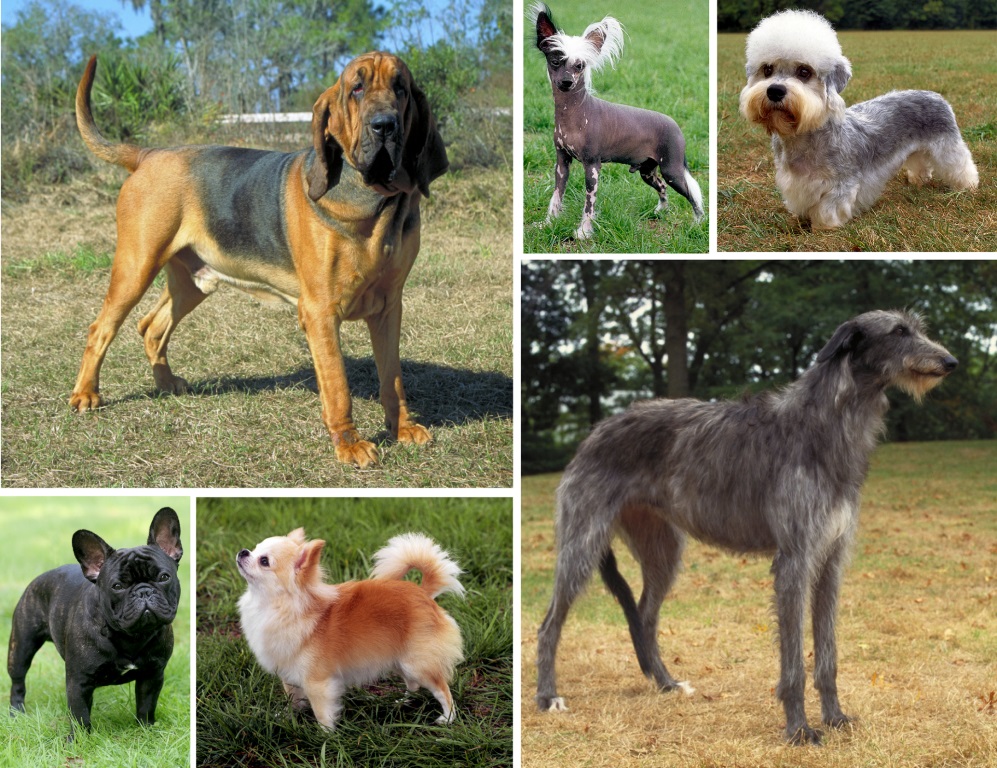
Introduction
Dogs have lived alongside humans for thousands of years, evolving from wild wolves into loyal companions, skilled workers, and beloved family members. Their intelligence, adaptability, and emotional connection with humans make them one of the most cherished animals on earth. This guide explores the fascinating world of dogs—from their origins to practical care tips.
Origins and Evolution of Dogs
From Wolves to Companions
The domestic dog (Canis lupus familiaris) is believed to have descended from ancient wolves. Over centuries, selective breeding shaped dogs into the diverse species we know today.
How Domestication Changed Dogs
-
Enhanced social intelligence that helps them understand human cues
-
Physical variations ranging from size to coat type
-
Behavioral traits tailored to tasks such as guarding, herding, and companionship
Popular Dog Breeds and Their Traits
Working Breeds
Dogs bred for tasks often have high stamina and intelligence.
Examples include:
-
Siberian Husky – known for endurance
-
German Shepherd – used in police and military units
-
Boxer – energetic and loyal
Toy Breeds
Small yet spirited, ideal for indoor living:
-
Chihuahua
-
Pomeranian
-
Shih Tzu
Sporting Breeds
Valued for agility and hunting instincts:
-
Labrador Retriever
-
Golden Retriever
-
Cocker Spaniel
Herding Breeds
Excellent for farm work and obedience:
-
Border Collie
-
Australian Shepherd
-
Belgian Malinois
Dog Behavior and Communication
Understanding Canine Body Language
Dogs express emotions through posture and movement. Key signals include:
-
Tail wagging – excitement or curiosity
-
Lowered ears – fear or submission
-
Raised hackles – alertness or tension
Vocalizations
-
Barking signals attention-seeking or warning
-
Whining often indicates discomfort or anxiety
-
Growling shows fear, dominance, or protection
Essential Dog Care
Feeding Requirements
Proper nutrition is vital for a dog’s health. Consider:
-
Age-specific diets for puppies, adults, and seniors
-
Balanced protein for energy and growth
-
Avoiding harmful foods such as chocolate, grapes, and onions
Grooming Needs
Different breeds have different grooming routines. Common tasks include:
-
Brushing to reduce shedding
-
Bathing with dog-safe shampoos
-
Nail trimming to prevent injuries
-
Ear cleaning to reduce infections
Exercise and Enrichment
Dogs thrive when physically and mentally stimulated. Effective options:
-
Daily walks suited to breed energy levels
-
Interactive toys for problem-solving
-
Training games such as fetch or scent work
Training and Socialization
Basic Training Principles
Effective training relies on consistency and patience:
-
Positive reinforcement works best
-
Short sessions keep dogs engaged
-
Clear commands aid understanding
Socialization Benefits
Introducing dogs to various environments helps them:
-
Reduce fear and anxiety
-
Improve interactions with other animals
-
Become confident and adaptable companions
Health and Wellness
Routine Veterinary Care
Regular check-ups allow early detection of issues. Important components include:
-
Vaccinations
-
Parasite prevention
-
Dental health assessments
Common Canine Health Problems
Some issues dogs commonly face:
-
Allergies
-
Joint problems like arthritis
-
Digestive disorders
Why Dogs Make Exceptional Companions
Dogs enhance human life in numerous ways:
-
Provide emotional comfort
-
Encourage active lifestyles
-
Offer security and companionship
Their ability to bond deeply with humans is unmatched in the animal kingdom.
FAQs
1. How long do most dogs live?
Lifespan varies by breed, but most dogs live between 10 to 15 years, with smaller breeds generally living longer.
2. How often should I feed my dog?
Most adult dogs eat twice daily, while puppies need three to four meals per day due to faster metabolism.
3. What are the most important vaccinations for dogs?
Core vaccines typically include rabies, parvovirus, distemper, and adenovirus, depending on local regulations.
4. How can I tell if my dog is in pain?
Signs may include limping, reduced appetite, excessive licking, whining, or sudden changes in behavior.
5. What is the best age to start training a dog?
Training can begin as early as 8 weeks, starting with simple commands and socialization.
6. How much exercise does a dog need daily?
Exercise requirements depend on the breed—some need 30 minutes, while high-energy breeds require 1–2 hours or more.
7. Can dogs eat human food safely?
Some foods like plain cooked meat or vegetables are safe, but many—such as chocolate, grapes, and onions—are toxic.