
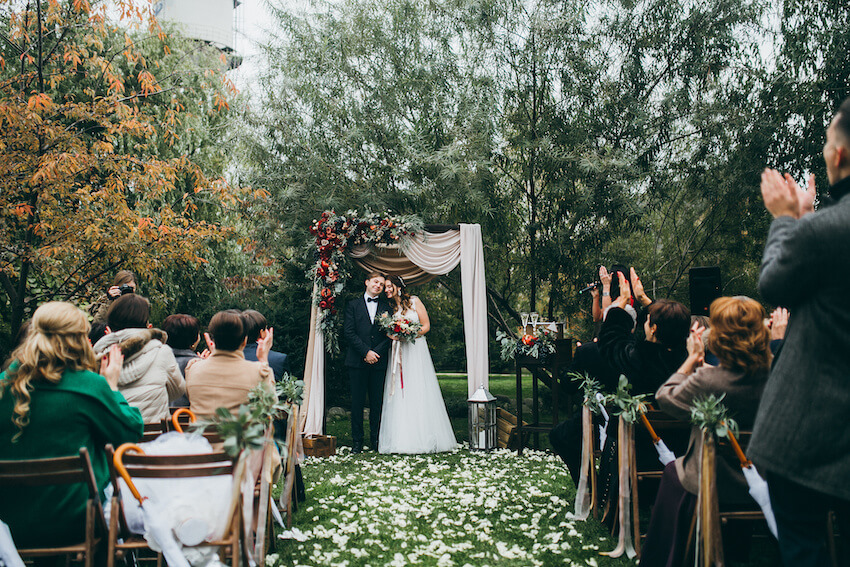
Planning a wedding is an exciting journey filled with meaningful decisions, creative ideas, and emotional moments. Whether you’re preparing an intimate gathering or a grand celebration, understanding the essential components of wedding planning can help you enjoy the process and create a day that reflects your story.
Understanding the Vision
Before diving into logistics, take time to define the overall vision. Consider the atmosphere, style, and experience you want to create.
Key Elements to Clarify
-
Wedding Theme: Classic, modern, rustic, bohemian, or destination.
-
Color Palette: Complement your theme and venue.
-
Guest Experience: Formal or casual, serene or festive.
-
Cultural/Religious Traditions: Incorporate rituals that matter to you.
A clear vision acts as a foundation for decision-making and keeps the planning cohesive.
Setting a Realistic Budget
A well-planned budget ensures you stay organized and avoid unexpected stress.
Budget Essentials
-
Venue and Catering usually take the largest share.
-
Photography/Videography preserves your memories.
-
Attire and Beauty add to your personal moment.
-
Décor and Floral Arrangements enhance the ambiance.
-
Entertainment shapes the energy of the celebration.
Track expenses using spreadsheets or dedicated wedding-planning apps, adjusting priorities as needed.
Choosing the Venue
Your venue significantly influences the tone, layout, and flow of the wedding.
Factors to Consider
-
Capacity for your guest list.
-
Indoor/Outdoor Options depending on weather and season.
-
Venue Policies regarding catering, noise, and décor.
-
Photo Opportunities around the location.
-
Accessibility for guests of all ages.
Booking early helps secure the best dates and favorable pricing.
Creating the Guest List
Balancing relationships and budget can make this step challenging, but a thoughtful approach helps maintain harmony.
Tips for Managing the Guest List
-
Start with immediate family and close friends.
-
Add extended relatives and coworkers as space allows.
-
Consider separate celebrations for wider circles, such as pre-wedding parties.
-
Communicate clearly with partners or families about expectations.
Selecting Attire and Accessories
Wedding attire is deeply personal and reflects your identity and cultural roots.
What to Keep in Mind
-
Comfort and Fit: You’ll be wearing it for hours—make sure you feel great.
-
Seasonal Appropriateness: Choose fabrics that match the weather.
-
Accessories: Veils, jewelry, shoes, and hairpieces complete the look.
-
Groom and Bridal Party Coordination: Complementary colors and styles elevate the aesthetic.
Plan fittings months in advance to allow time for adjustments.
Designing Décor and Floral Arrangements
Décor transforms your venue into a meaningful visual experience.
Popular Décor Ideas
-
Floral Arches for the ceremony.
-
Candlelit Tables to set a romantic mood.
-
Personalized Signage to guide guests.
-
Statement Centerpieces for reception tables.
Collaborate with a florist or stylist to bring your theme to life while staying within budget.
Curating Food and Entertainment
The dining experience and entertainment define how guests remember your wedding.
Catering Considerations
-
Offer vegetarian, vegan, and allergy-friendly options.
-
Choose between buffet, plated dinner, or food stations.
-
Include signature drinks or mocktails for a special touch.
Entertainment Options
-
Live Bands for dynamic performances.
-
DJs for customized playlists.
-
Interactive Elements like photo booths or dance performances.
Creating a Wedding Day Timeline
A clear schedule ensures everything runs smoothly and stress-free.
Timeline Essentials
-
Preparation and hair/makeup
-
Ceremony start and end times
-
Photo sessions
-
Reception entry, first dance, speeches
-
Dinner and cake cutting
-
Closing moments and send-off
Share the final timeline with vendors, wedding party members, and coordinators.
Planning for Unexpected Situations
Even the best-planned weddings may encounter surprises.
Smart Preparations
-
Keep an emergency kit with essentials like safety pins, makeup, and stain remover.
-
Have a weather backup plan for outdoor weddings.
-
Assign a point person for vendor communication.
These precautions ensure challenges don’t overshadow your joy.
FAQ
1. How far in advance should I start planning a wedding?
Most couples begin 12–18 months before the wedding, giving enough time to book venues and vendors.
2. What is the best way to avoid overspending on a wedding?
Prioritize must-haves, compare vendor quotes, and track every expense to stay within budget.
3. Should I hire a wedding planner?
If you prefer professional guidance or have a busy schedule, a planner can simplify the process and manage details effectively.
4. How many venues do couples usually visit before choosing one?
Many couples visit 3–5 venues to compare features, pricing, and overall feel.
5. What is a good guest count for a manageable wedding?
A range of 50–120 guests is typical for a comfortable, memorable event without overwhelming logistics.
6. When should wedding invitations be sent out?
Send invitations 6–8 weeks before the wedding; earlier if it’s a destination event.
7. How do I make my wedding feel more personal?
Incorporate personalized vows, unique décor elements, cultural traditions, or customized favors.